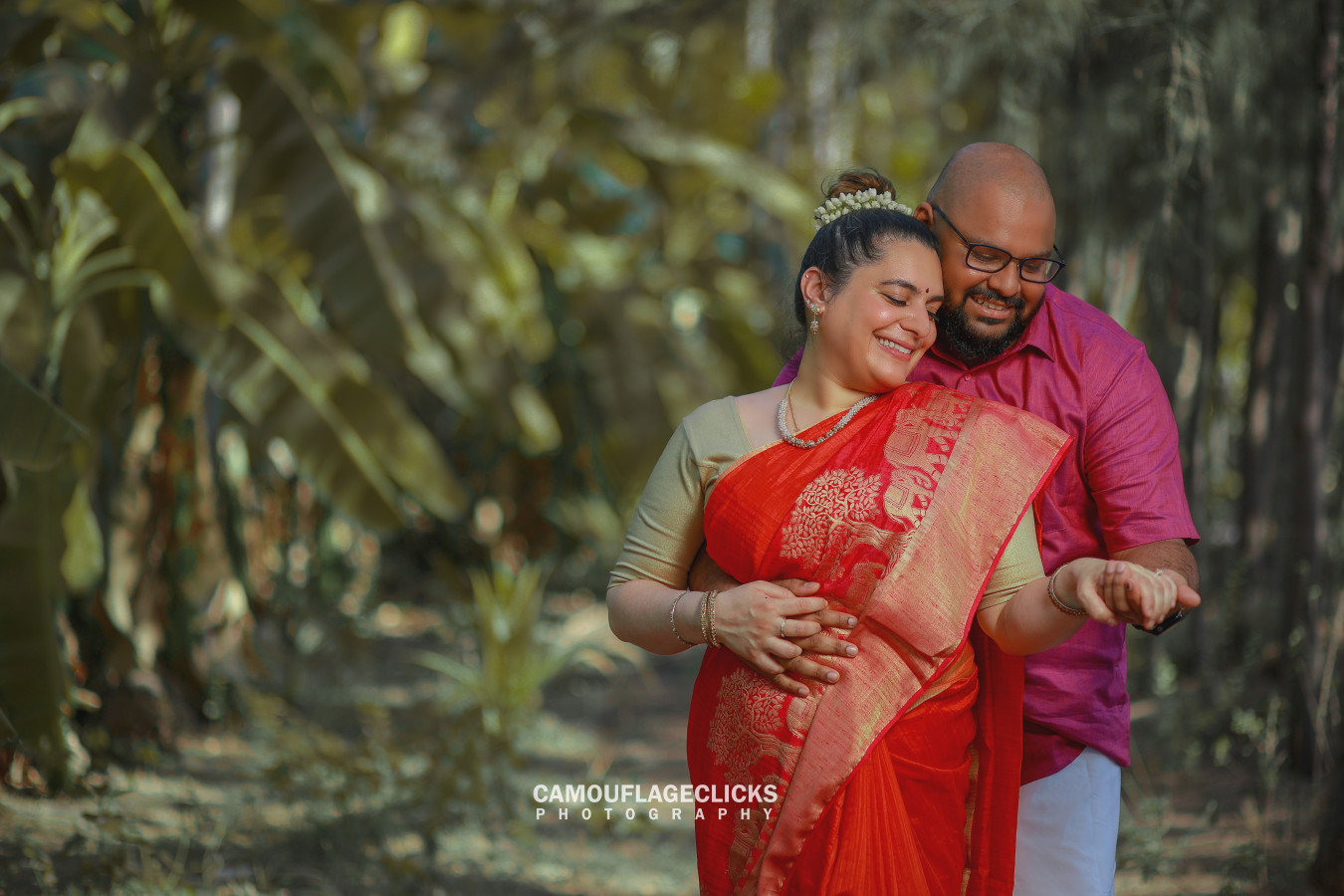
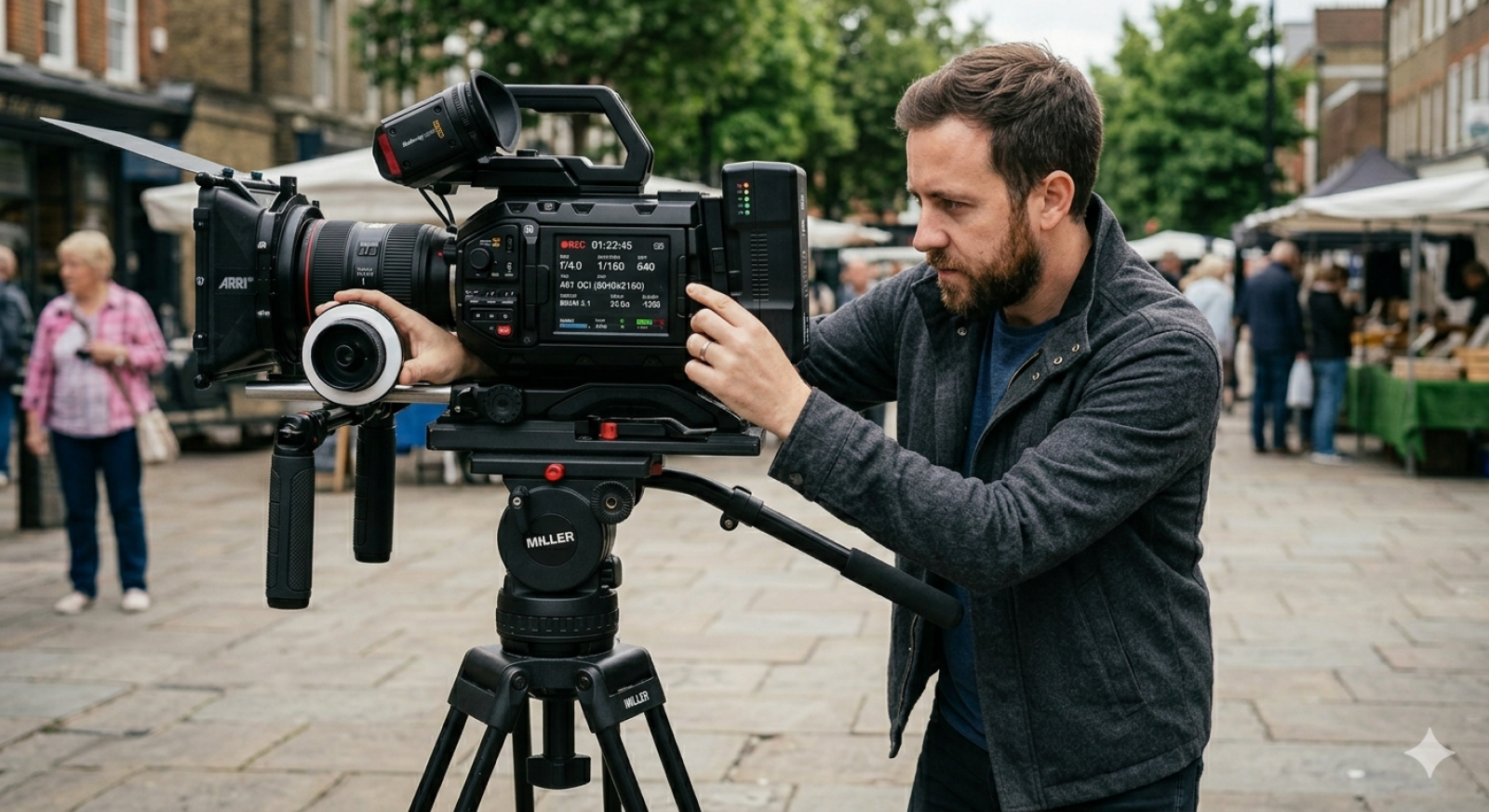
Photo retouching and color grading play a key role in creating professional and visually appealing images. This blog explains essential techniques, tools, and the importance of high-quality photo enhancement.
Photo retouching is the process of enhancing an image by correcting imperfections and refining details. It helps improve overall quality while keeping the photo natural and visually pleasing.
Retouching enhances facial features, removes distractions, and improves clarity. It plays a vital role in portrait, fashion, wedding, and commercial photography.
Techniques like skin smoothing, blemish removal, and dodge & burn are widely used. These methods enhance details without affecting the originality of the image.
Professional editors rely on tools like Adobe Photoshop and Lightroom. These tools offer precise control over textures, tones, and fine details.
Color grading is the process of adjusting colors to create a specific mood or visual style. It helps tell a story and enhances the emotional impact of an image.
Color grading improves visual consistency and sets the tone of the photo. It makes images more engaging and professional-looking.
Adjustments such as white balance correction, contrast control, and split toning are commonly used. These techniques help achieve balanced and cinematic visuals.
Adobe Lightroom, Photoshop, and Camera Raw are popular tools for color grading. They allow fine tuning of highlights, shadows, and color tones.
Photo retouching focuses on correcting details and imperfections. Color grading focuses on mood, color balance, and visual storytelling.
Professional editing ensures high-quality, consistent, and visually appealing results. It helps images stand out across websites, social media, and marketing platforms.
Photo retouching and color grading together create polished and impactful images. When done professionally, they elevate photography to a premium level.