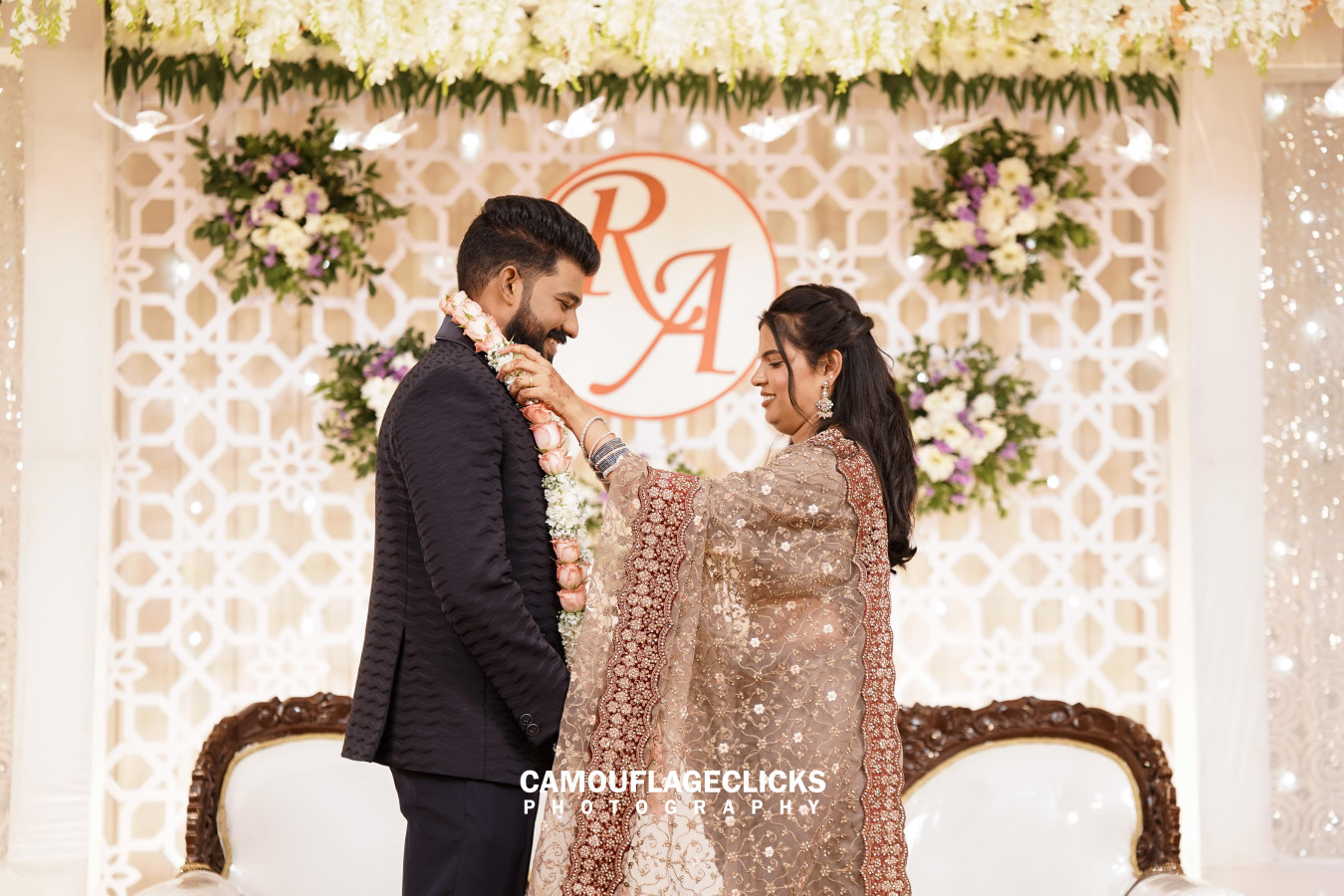
The ritual of applying kumkum on the bride’s forehead symbolizes marriage, responsibility, and auspicious beginnings. This tradition reflects acceptance, spiritual belief, and the start of a new chapter in South Indian weddings.
In South Indian weddings, the ritual of the groom applying kumkum on the bride’s forehead holds deep cultural, spiritual, and emotional meaning. This moment marks the bride’s transition into married life and symbolizes acceptance, responsibility, and the sacred bond between the couple. Though simple, this tradition has been followed for generations and continues to remain an important part of Hindu weddings.
Significance of This Ritual
- Symbol of Marriage: Kumkum on the forehead signifies the bride’s new identity as a married woman.
- Auspiciousness: Kumkum represents prosperity, positivity, and good fortune in married life.
- Sacred Placement: The forehead is considered a spiritual center, symbolizing awareness and clarity.
- Groom’s Acceptance: This act reflects the groom’s commitment and responsibility towards his wife.
- Spiritual Belief: Kumkum is believed to protect against negative energies and invite blessings.
- Cultural Tradition: This ritual has been practiced for centuries in South Indian Hindu weddings.
- Emotional Moment: It is a quiet yet powerful gesture that seals the marital bond.
- Photography Importance: This moment captures tradition, emotion, and cultural depth in a single frame.
(Blog by)-Kalaiyarasi R