Where the lens is pointing this year — and why it matters.
Photography in 2026 is pulling in two powerful directions at once — the radically technological and the beautifully analog. From AI-assisted composition to the resurgence of darkroom intimacy, here's what's shaping the visual language of our time.
AI & Technology
Photographers are no longer just shooting — they're collaborating with AI tools for post-processing, scene generation, and narrative sequencing. The best work in 2026 blurs the boundary between captured and conceived, raising urgent questions about authorship, authenticity, and the soul of documentary photography. The human eye still curates; the algorithm suggests.
What makes this trend fascinating isn't the technology itself — it's the philosophical tension it creates. When a photographer uses generative fill to remove a distracting element from a street scene, are they editing or fabricating? When AI suggests a crop that improves the composition, who made the creative decision? These aren't rhetorical questions anymore. Photo editors at major publications are rewriting their ethics guidelines in real time, and competitions like World Press Photo have introduced entirely new categories — and disqualification criteria — around AI disclosure.
The photographers navigating this best aren't resisting the tools or surrendering to them. They're using AI the way a darkroom printer once used dodging and burning: deliberately, with intention, and with full transparency about their process.
Key terms: Generative fill · AI color grading · Synthetic backgrounds · Ethical debate · Disclosure standards
Aesthetic Revival
Analog film isn't just surviving — it's thriving. Medium format cameras, expired film stocks, and hand-developed darkroom prints have become symbols of intention in an age of instant capture. Younger photographers are drawn to the deliberate pace of film: 36 frames forces discipline. The grain, the wait, the surprise — these are features, not flaws.
Film sales have increased year-on-year since 2021, and 2026 looks set to continue that trajectory. Kodak has expanded its Portra and Ektar lines. Smaller boutique labs in cities from Seoul to São Paulo are opening to meet demand for hand-processing. But this isn't nostalgia for nostalgia's sake — it's a conscious rebalancing. Photographers who shoot both digital and film describe film as a reset, a practice that reconnects them to why they picked up a camera in the first place.
There's also a social dimension. Film photographers share not just images but process — the scanning, the chemistry, the imperfections. On platforms drowning in perfectly processed digital imagery, a slightly overexposed roll of Ilford HP5 stands out precisely because it couldn't have been made any other way.
Key terms: 35mm & 120mm · Darkroom printing · Expired film stocks · Kodak Portra 800 · Boutique labs
Portrait & Identity
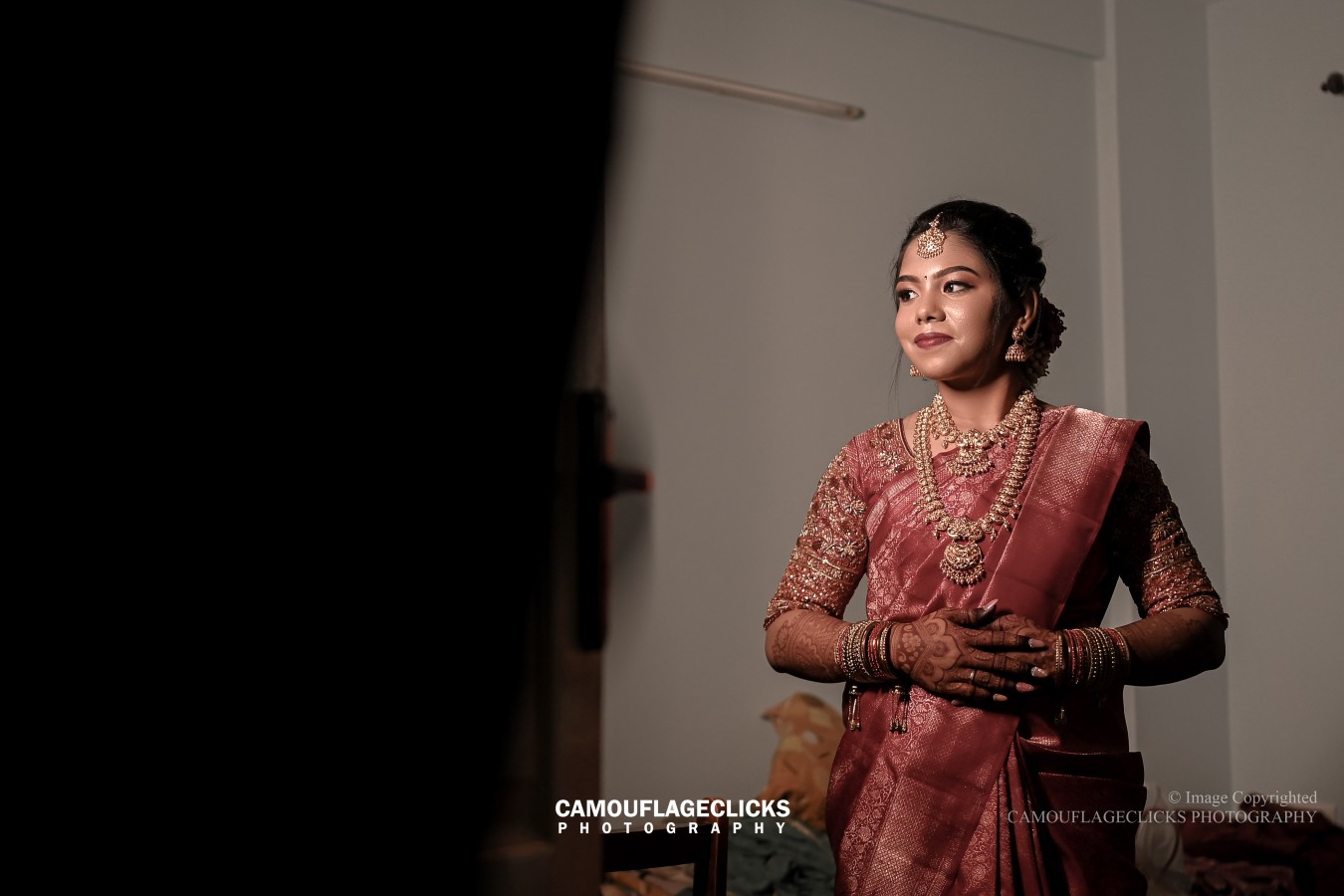
The close-up is having a cultural moment. Portraiture in 2026 leans into vulnerability — unflattering light, unretouched skin, held gazes that last longer than comfortable. Driven by conversations around body image and authenticity online, photographers are creating images that refuse the filters. These portraits feel like confessions, not performances.
This shift didn't happen overnight. Years of algorithmically smoothed skin, symmetry-corrected features, and beauty filter culture have created a widespread weariness. Audiences — especially younger ones — have developed a finely tuned sensor for the artificial. The portraits resonating most deeply right now are the ones that make you look twice not because they're technically impressive, but because they feel true.
Practically, this means more natural light, longer sessions to build trust with subjects, and a conscious rejection of the retouching pipeline. Photographers like Nadine Ijewere, Deana Lawson, and a new generation of portrait makers are building bodies of work that insist on showing people as they actually are — complicated, textured, and completely themselves.
Key terms: Raw skin texture · No retouching · Environmental portraits · Window light · Subject trust
"The most powerful photographs of this decade aren't technically perfect — they're emotionally true. Audiences have developed a sharp eye for the manufactured."
Ecology & Environment
Environmental photography has evolved from dramatic disaster imagery into something more patient and profound. Photographers are embedding in ecosystems over seasons — documenting slow disappearance, rewilding success, and the ambiguous beauty of a planet in transition. It's photojournalism as long-term relationship, not just a single extraordinary frame.
The single catastrophic image — the flooded street, the burning hillside — still has power, but it also has limits. Audiences have become somewhat numb to shock imagery. What cuts through now is intimacy built over time: a photographer who returns to the same Scottish peat bog every spring for five years, or who follows a rewilding project in Patagonia from planting to flourishing. These bodies of work don't just document change — they make you feel the scale of it.
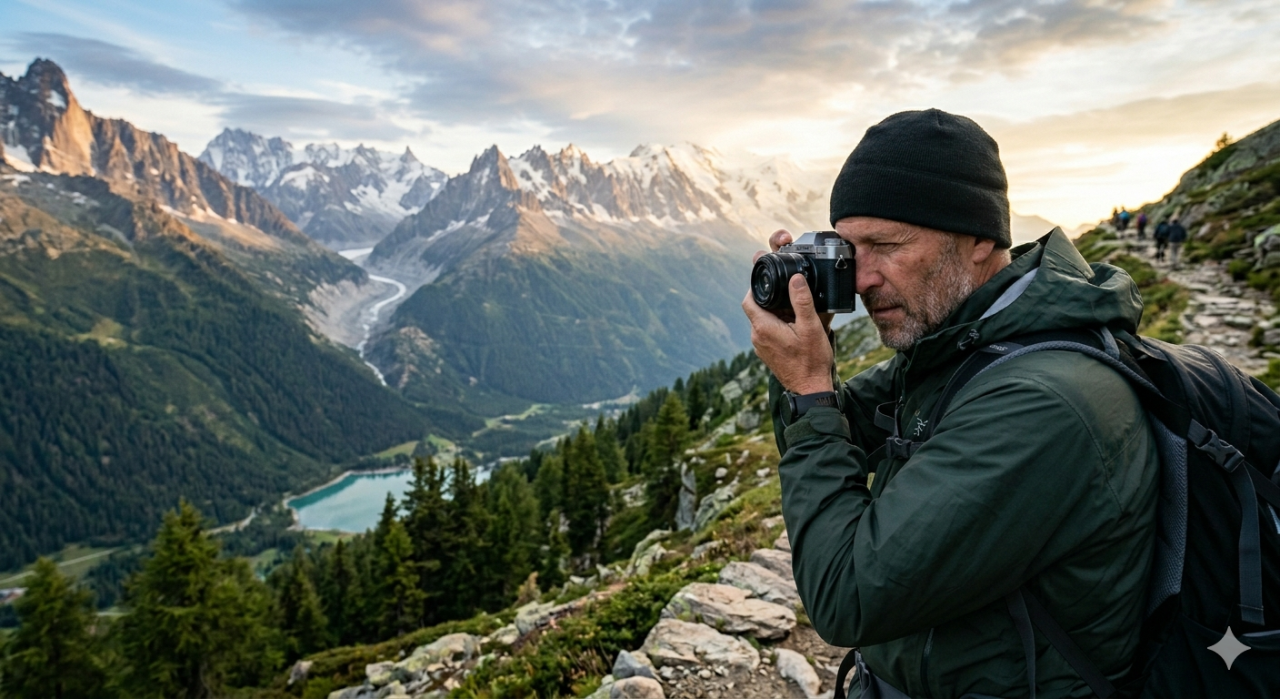
Drone photography and remote camera traps have expanded what's visually possible in natural environments, allowing photographers to capture behavior and landscape at scales previously impossible. But the most powerful environmental work of 2026 still depends on presence — a human being who chose to be somewhere, again and again, because they believed it mattered.
Key terms: Long-term projects · Ecosystems at risk · Drone & aerial · Rewilding stories · Remote cameras
Community & Social
As global feeds homogenize visual culture, the most compelling documentary work is fiercely local. Photographers are spending years — not afternoons — inside a single neighborhood, family, or subculture. The resulting bodies of work carry a depth of context that drives powerful connection: you feel like you know these people. This is the antidote to scroll fatigue.
The economics of photography have long pushed practitioners toward variety — shoot what sells, go where editors send you. But a quiet counter-movement has been building. Photographers are choosing depth over breadth, trading assignment variety for the privilege of genuine access. The trust required to make truly intimate documentary work cannot be rushed, and the images that result from years of relationship-building are simply unavailable to anyone parachuting in for a weekend.
This trend is also reshaping how photographic work is funded and exhibited. Grants, crowdfunding, artist residencies, and self-publishing zines are giving photographers the financial runway to pursue long-term projects without editorial compromise. The result is some of the most urgent and specific storytelling the medium has ever produced.
Key terms: Long-form projects · Community access · Personal geography · Trust over time · Self-publishing
Technique & Style
Double exposures, intentional blur, lens whacking, and infrared shooting — techniques that once seemed dated are being reframed as authentically handmade in an era of post-production excess. The allure is simple: if the magic happens in-camera, it can't be replicated by software. It's photographic craft as unique object. Every frame becomes an original.
There's a reason these techniques are resonating now. When any image can be composited, filtered, or generated after the fact, the in-camera moment acquires a new kind of credibility. A double exposure made in a single shot carries the weight of a decision made in real time — two moments collapsed into one frame, unrepeatable. That irreversibility is increasingly precious.
Beyond the philosophical appeal, there's a simple joy in the unpredictability of physical processes. Photographers experimenting with prisms, crystal balls, glass fragments, and water-refraction effects describe the experience as playful in a way that hours of Lightroom editing rarely is. The camera becomes an instrument again, not just a capture device.
Key terms: Double exposure · Infrared film · Intentional camera movement · Prism photography · Lens whacking
Commerce & Influence
Commercial photography is undergoing an overdue aesthetic reset. The clean, aspirational, overlit product shot is giving way to something grittier and more honest — lo-fi product photography shot on phones, behind-the-scenes rawness, and founder-led visual storytelling that feels personal. Brands chasing authenticity are giving their photographers more freedom, not less.
Consumer trust in polished advertising imagery has eroded steadily, and brands are responding. The shift isn't just aesthetic — it's strategic. Studies consistently show that user-generated content and lo-fi brand photography outperforms studio-produced imagery on conversion metrics for a growing number of product categories. The scroll-stopping image in 2026 often looks like it wasn't trying to stop your scroll.
This creates a genuinely interesting creative opportunity for commercial photographers willing to unlearn their training. The assignment brief is changing: less "make it look perfect," more "make it look real." Photographers who can walk into a founder's kitchen and produce work that feels unposed — while actually being very carefully considered — are finding steady, well-paid demand for exactly that skill.
Key terms: Lo-fi brand content · Founder-led shoots · Phone photography · Anti-aesthetic · UGC-style
Publishing & Collecting

The photobook is experiencing a genuine cultural resurgence. Independent publishers, self-published editions, and limited-run risograph-printed zines are reaching collectors and enthusiasts who have grown tired of the feed. A physical book offers something an Instagram grid cannot: sequence, pacing, the weight of a deliberate object.
Publishers like Void, RVB Books, and GOST are producing work that treats the book itself as a creative medium — not just a container for images. Typography, paper choice, binding method, and sequencing are considered as carefully as the photographs themselves. Meanwhile, photographers are discovering that a well-made book creates a relationship with an audience that social platforms structurally prevent: one that lasts longer than a swipe.
Collectors are responding. First editions from emerging photographers are selling out. Photography fairs in Paris, New York, and Tokyo report sustained growth in book sales year on year. In an age of infinite digital images, scarcity and physicality carry renewed meaning.
Key terms: Independent publishing · Limited editions · Sequencing · Risograph · Collector market
Representation & Authorship
One of the most significant shifts in photography right now isn't technical — it's about who holds the camera. The field is actively reckoning with whose perspectives have historically been centered, and whose communities have been documented from the outside looking in. Photographers from underrepresented backgrounds are not just gaining visibility; they're reshaping the visual vocabulary of the medium itself.
This matters because the photograph is never neutral. Every image encodes the position, assumptions, and relationships of the person who made it. Work emerging from inside communities — made with genuine belonging rather than documentary distance — produces images that feel fundamentally different. They carry knowledge that outsiders cannot access, no matter how technically skilled or well-intentioned.
Institutions are beginning to catch up: major museums, editorial outlets, and grant-making bodies are actively diversifying who they platform and fund. The canon of photography is being rewritten in real time, and the images entering it are richer and more truthful for the change.
Key terms: Inside perspective · Community authorship · Decolonizing the archive · Underrepresented voices
Technology & Experience
With spatial computing becoming more accessible in 2026, photographers are beginning to explore three-dimensional image-making in earnest. Spatial photos — captured on devices capable of recording depth — create a sense of presence that flat images cannot. Early experiments are rough, but the creative potential is unmistakable: portrait photography where you feel you could reach out and touch the subject, landscapes with genuine atmospheric depth.
This is early-stage territory, and most photographers are approaching it with healthy curiosity rather than wholesale adoption. The language of spatial photography — how to compose for depth, how to sequence immersive images, what storytelling structures work in three dimensions — is still being invented. That's precisely what makes it exciting. The photographers working in this space right now are writing the grammar of a new visual form.
Key terms: Spatial photos · Apple Vision Pro · Depth capture · Immersive storytelling · 3D composition
What unites all of these trends, despite their apparent contradictions, is a hunger for meaning. Whether through the tactile deliberateness of film, the radical honesty of an unretouched portrait, or the long commitment of a hyperlocal documentary project, photographers in 2026 are pushing back against the endless, frictionless flow of images that defines our moment. The most powerful photographs being made right now demand something of the viewer: attention, time, feeling. That, perhaps more than any technique or technology, is what will define the visual culture of this year.